Service-hour milestones
Patches at 25, 50, 100 and 250 hours. They're easy to track and easy to celebrate at a volunteer meeting.

A thank-you email is forgotten by Friday. A patch for 100 service hours goes on a jacket or a bag and stays there. It's a small, lasting token that costs less than a T-shirt and creates no swag waste.
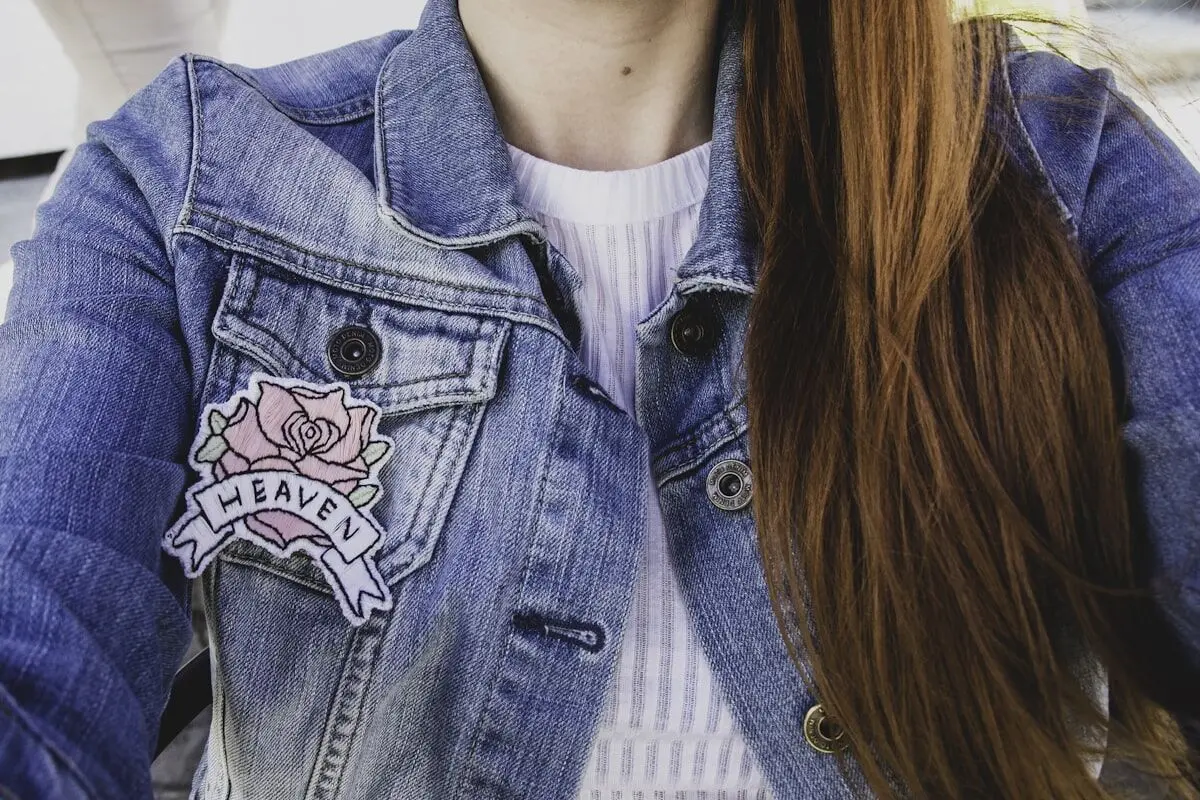
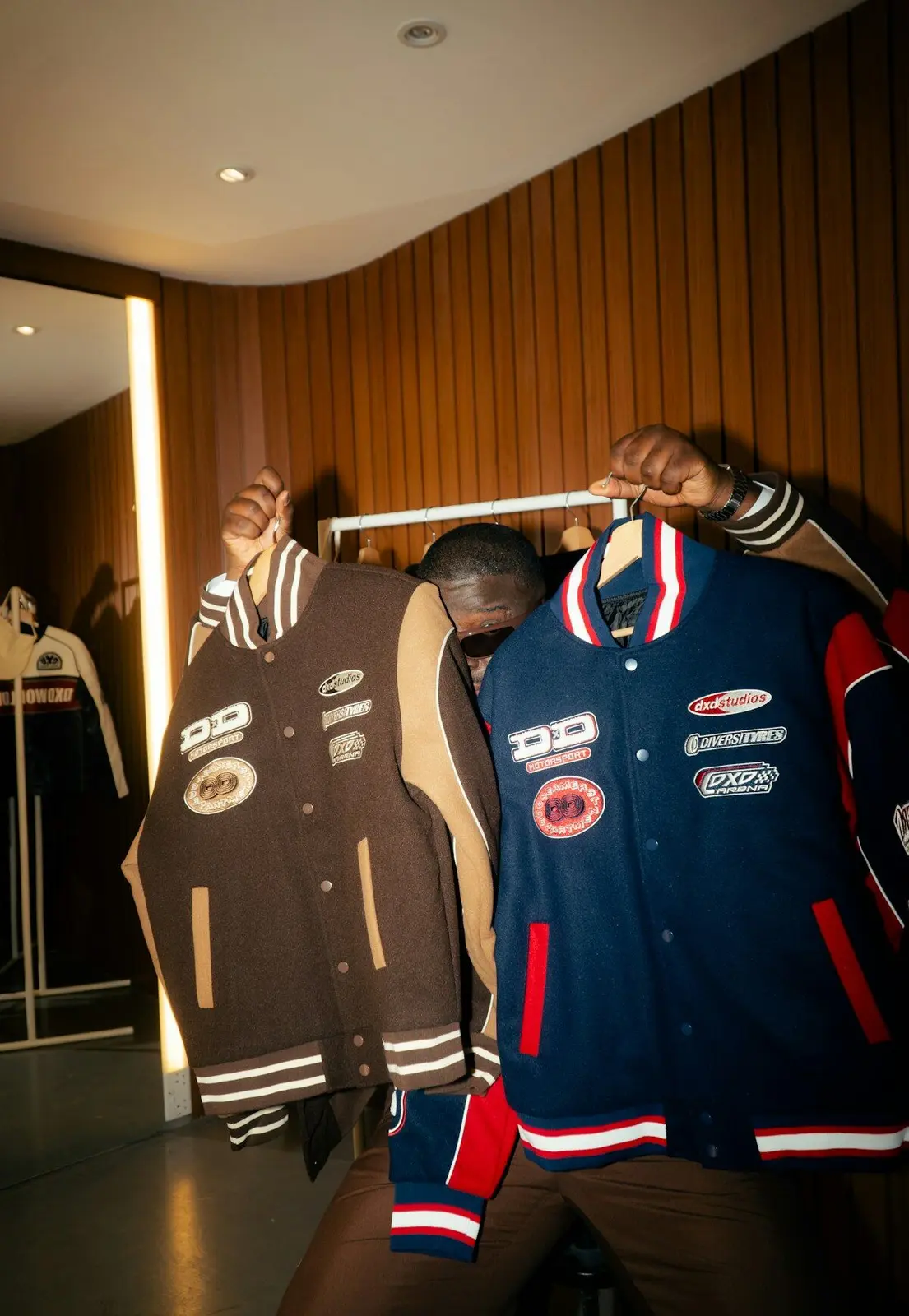
Recognition works best when other people can see it.
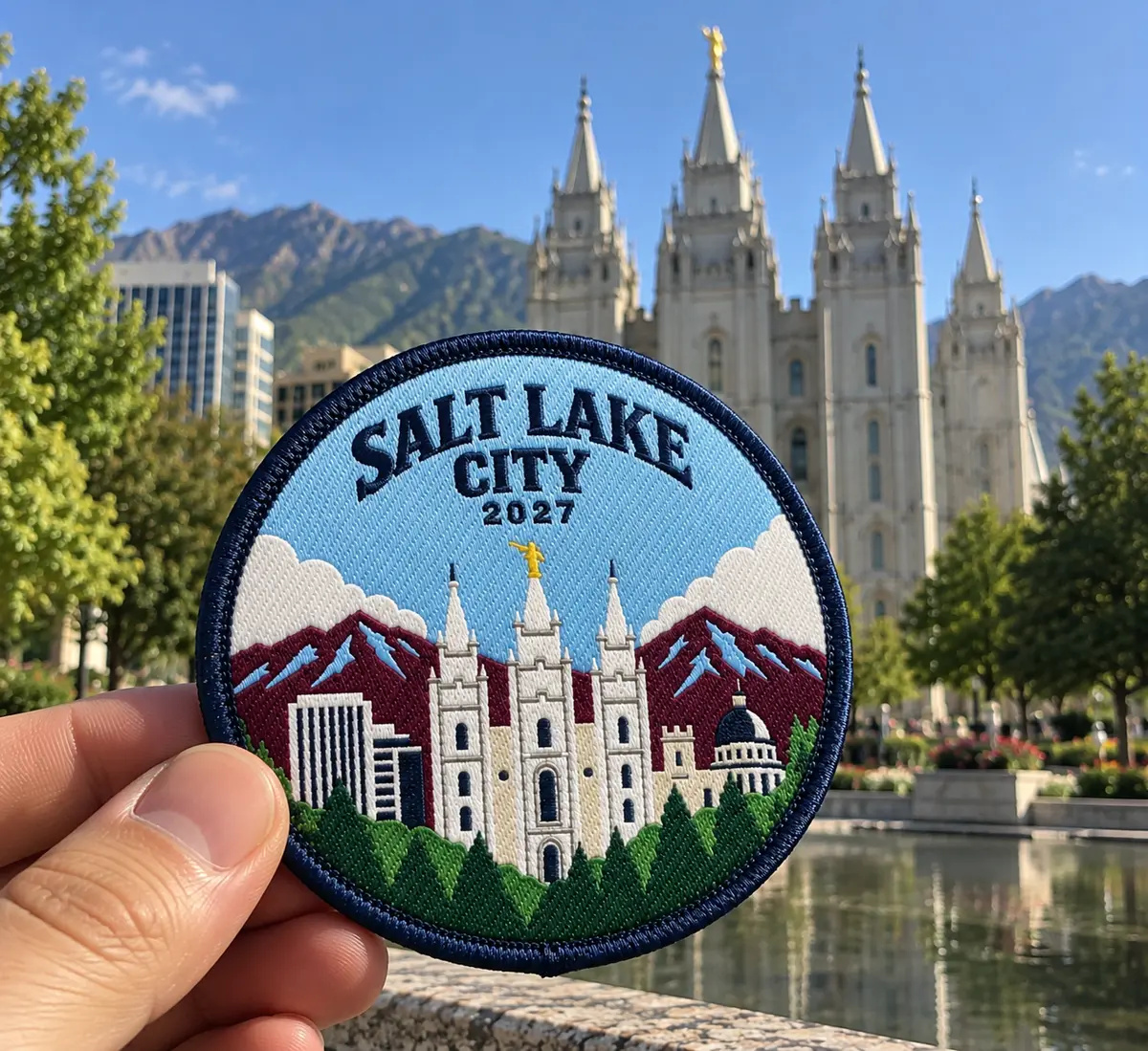


Shirts, mugs and pens say thank you once. A milestone patch says it every time it's worn.
| Question | Milestone patches | Generic swag |
|---|---|---|
| Meaning | Earned for a real milestone: hours, years, a role | The same item for everyone |
| Cost per volunteer | Small runs, cheap enough for every milestone | Shirts and gifts strain a small budget |
| Sizes | One size; nothing to exchange | Shirts need a size run, and leftovers pile up |
| Waste | Kept and worn for years | Often unused, then thrown away |
| Visibility | Seen by other volunteers and donors | Stays at home |
| Mailing | Fits in a card or envelope | Parcels and postage |
Formats that make a volunteer's progress visible:
Patches at 25, 50, 100 and 250 hours. They're easy to track and easy to celebrate at a volunteer meeting.
A patch for each year, or for one, five and ten years. Long-serving volunteers wear the whole set.
Patches for completed training: first aid, team lead or trail crew. They show skills at a glance on event days.
A dated patch for everyone who worked the gala, the race or the cleanup day. It's a thank-you and a keepsake in one.
Progress badges for youth programs and camps, earned through the season and sewn on at home.
A patch sent with a membership card or a donor thank-you letter. It's flat, light and memorable.
Order one milestone at a time, in the quantity you'll actually award.
Hours, years, completed training or a single big event: pick the milestones first, then upload one design for each.
Nonprofit logos often carry fine type or a detailed emblem; a person reviews each file within a day so it weaves cleanly.
Patches take 6–10 business days to make, so order once the event date is set and hand them out in person.
Approved designs are saved, so the next batch of 100-hour patches is one click away.
A food bank with 80 active volunteers orders the 25-hour patch at 100 ($119), because almost everyone reaches it, and the 100- and 250-hour patches at 50 each ($78 a run). The rare 250-hour patch lasts several years, so it is the most meaningful one.
Thank your volunteers with something they'll keep. Pick one milestone, order a small run, and present the first patches at your next volunteer meeting.